


How to Keep Your Home Cool: A Simple “Cool by Clock” Summer Guide

By Ash Walker
With UK temperatures rising and warmer spells becoming more frequent, many households are looking for simple, cost-effective ways to keep their homes comfortable without relying heavily on fans or portable air conditioning. This “cool by clock” guide breaks down easy, time-based steps you can follow throughout the day to help manage heat build-up naturally and keep your home feeling fresher and more comfortable.
09:00 – 12:00: Let in light, but start managing heat
As the morning progresses, sunlight becomes stronger and homes begin to absorb heat through windows – often without people noticing straight away. This is where many homes start to warm up gradually, especially in east-facing rooms.
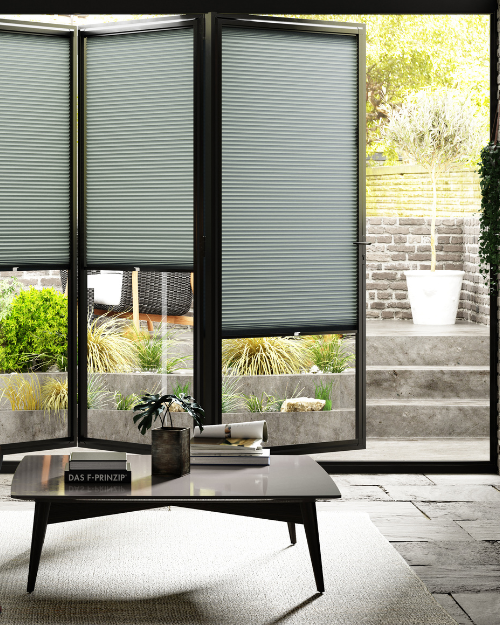
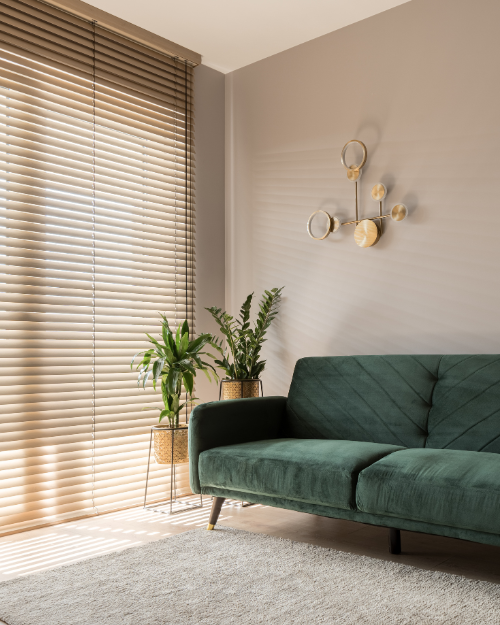
Rather than leaving blinds or curtains fully open, aim to balance daylight with heat control. Venetian blinds, shutters, or slatted blinds are particularly useful here, as they allow you to angle light into the room without letting in full direct sun.
The key idea is simple: keep your home bright and pleasant, but reduce direct sunlight hitting glass surfaces for long periods, as this is what drives indoor temperatures up quickly. Pay attention to which rooms heat up first. East-facing rooms tend to warm earlier in the day, while south and west-facing rooms become more affected later on.
12:00 – 16:00: Block out peak heat before it builds
Early afternoon is typically the hottest and most intense part of the day for indoor heat gain. By this point, sunlight is strongest and homes begin absorbing heat through windows, walls, and roofs. This is the most important time to be proactive rather than reactive.
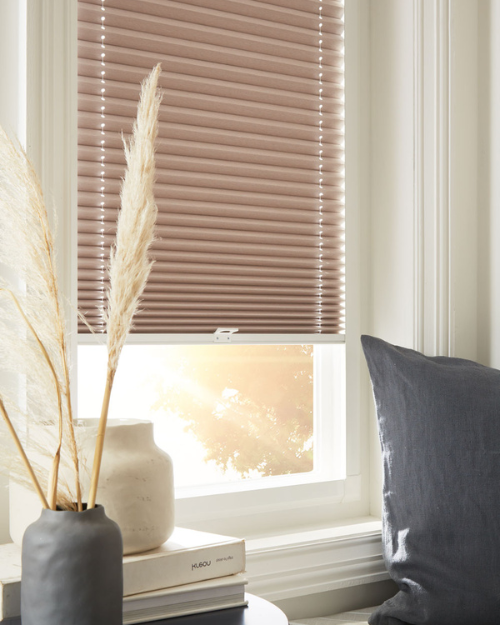
Closing blinds or curtains before a room becomes too warm can create a protective barrier between hot glass and cooler indoor air. Thermal blinds or lined curtains are especially effective, even though they’re often associated with winter use.
The timing here really matters. Once a room has already overheated, it takes significantly longer to cool back down naturally. Preventing heat from entering in the first place is far more effective than trying to remove it later. If certain rooms receive direct sunlight during this period, keeping them shaded for a few hours can make a noticeable difference to comfort levels by the early evening.
Things are heating up
With UK temperatures expected to rise as we move into the summer months, and the recent bank holiday weekend bringing record-breaking May heat, many households are already looking for practical ways to keep their homes cool.
While fans and portable air conditioning units can offer quick relief, they often come with higher energy costs and don’t always solve the root issue: heat building up inside the home throughout the day.
The good news is that keeping your home cooler doesn’t always require expensive cooling systems. Small, well-timed adjustments throughout the day – especially around windows, blinds, airflow, and daily routines – can make a noticeable difference.
Below is a simple “cool by clock” guide to help you manage heat build-up naturally from morning through to evening.
06:00 – 09:00: Make the most of the cool morning air
Early morning is usually the coolest and freshest part of the day, which makes it the ideal time to ventilate your home properly. Start by opening windows on opposite sides of your home if possible, creating cross-ventilation. This helps move stale, warmer air out while drawing cooler air in. Opening internal doors can also help air circulate more freely between rooms.
If it’s safe to do so, slightly opening upstairs windows can be particularly effective, as warm air naturally rises and tends to collect in upper floors and bedrooms overnight. Even a short burst of 20-30 minutes of strong airflow in the morning can significantly refresh the home and slow down heat build-up later in the day.
16:00 – 19:00: Reduce heat sources and ease the indoor build-up
By late afternoon, many homes feel stuffier – not necessarily because temperatures are still rising outside, but because heat has accumulated inside throughout the day. At this stage, it helps to reduce anything that might add extra warmth indoors.
Appliances such as ovens, tumble dryers, and even dishwashers can contribute to rising temperatures, especially in smaller or less ventilated spaces. Where possible, delaying these tasks until later in the evening can help keep your home cooler when it matters most.
Outdoor shading can also play a supporting role here. Plants such as bamboo, bay trees, or climbing greenery like ivy or honeysuckle can help soften direct sunlight around windows. Even balcony planters or window boxes can reduce glare and provide a small but helpful cooling effect through shade and moisture release.
19:00 onwards: Bring the cool air back in
As the sun begins to set and outdoor temperatures drop, this is the ideal time to open your home back up again. Evening ventilation helps release the heat that has built up during the day – particularly in upstairs rooms, which tend to retain warmth for longer.
Reopen windows to encourage airflow, and if needed, angle blinds or shutters slightly open to balance privacy with circulation. The goal is to let cooler evening air move through the home and push trapped warm air out.
For better sleep during warmer nights, breathable bedding materials can also make a real difference. Cotton, linen, and bamboo fabrics tend to feel lighter and help improve airflow around the body compared with synthetic materials.
Keeping your home cool during warmer weather doesn’t necessarily require constant use of fans or air conditioning. In many cases, it comes down to working with the natural rhythm of the day.
These simple steps don’t just help manage temperature – they also reduce reliance on energy-intensive cooling, making them a practical and cost-effective way to stay comfortable throughout the summer.
Other posts you may be interested in:

Decor Ideas From Your Holiday Destinations
September is upon us, the summer break is over and while millions of Brits have jet-set off to foreign climbs in the past six weeks, the holiday spirit doesn’t have to end here. Autumn has arrived, and close behind it comes the winter months, so in this blog, we’re going to explore how you can keep the holiday spirit alive by adding influences from the most popular holiday destinations into your home!

Keep Your Home Cool This Summer With Thermal Blinds
While we may have come out of the first hot spell of the year, there will be plenty more in the coming weeks as we approach summer. When the summer sun starts pouring through the windows, keeping your home cool becomes very important.
Browse Our Buyers Guides
Our collection of window furnishings and homeware is defined by quality and craftsmanship. We’re confident we can provide you with the perfect product for your home, no matter your requirements. From moisture proof and stain resistant blinds for bathrooms, to blackout blinds and personalised pieces for kids’ rooms…
